✓ Canada has a rich philatelic history dating back to 1851.
✓ Beginner stamp collections can start with minimal investment.
✓ Specialized tools enhance the collecting experience and preserve stamps.
✓ Local stamp clubs and online communities offer valuable resources and camaraderie.
How It Works
1
Define Your Collection Focus
Decide what kind of stamps you want to collect, such as Canadian definitives, commemoratives, or stamps by theme. A clear focus makes your collection more manageable and enjoyable.
2
Acquire Essential Tools
Invest in basic equipment like a stamp album, tongs, a magnifying glass, and a watermark detector. These tools protect your stamps and help with identification.
3
Source Your First Stamps
Look for stamps from various sources such as post offices, online marketplaces, local dealers, and even family members. Starting with common stamps is a great way to practice handling and identification.
4
Organize and Document Your Collection
Carefully mount your stamps in an album, ensuring proper handling to prevent damage. Keep records of your acquisitions, including details like issue date, condition, and value.
Understanding the World of Philately in Canada
Photo: www.kaboompics.com / Pexels
Embarking on the journey of stamp collecting in Canada is more than just accumulating small pieces of paper; it's a deep dive into history, art, and culture. Philately, the study of stamps and postal history, offers a unique lens through which to view Canada's evolution. From the early Pence issues of the Province of Canada to the vibrant commemorative stamps celebrating national achievements and landmarks, each stamp tells a story. For beginners asking how to start a stamp collection Canada, the initial step is often the most exciting: discovering the sheer diversity available. Canada Post has issued thousands of stamps over the decades, covering a vast array of subjects including wildlife, famous Canadians, historical events, Indigenous cultures, and technological advancements. This immense variety means there's a niche for everyone, whether you're drawn to specific eras, themes, or even printing errors.
One of the most rewarding aspects of Canadian stamp collecting is the connection it fosters to the nation's heritage. Imagine holding a stamp from the Victorian era, picturing Queen Victoria, and contemplating the vast changes that have occurred since its issuance. Or perhaps a stamp commemorating the building of the Trans-Canada Highway, illustrating a pivotal moment in the country's infrastructure development. These tangible links to the past make the hobby incredibly engaging. Furthermore, Canadian stamps are often celebrated for their artistic merit and innovative designs, making them miniature works of art that can be appreciated for their aesthetic beauty alone.
Before you even acquire your first stamp, it's beneficial to understand the different categories of Canadian stamps. Broadly, these include definitive stamps (everyday postal use, often re-issued with minor changes), commemorative stamps (issued for a limited time to mark special events or anniversaries), and semi-postal stamps (which include a surcharge for charitable causes). There are also revenue stamps, official stamps, and even postal stationery. Understanding these distinctions will help you to categorize and appreciate your collection as it grows. Many collectors choose to specialize, focusing on a particular type of stamp, a specific time period, or a certain thematic area. This specialization can make the hobby more manageable and intensely rewarding, allowing you to become an expert in your chosen field.
Connecting with other collectors is another vital part of understanding the world of philately. Canada boasts a vibrant community of philatelists, with numerous local clubs and national associations dedicated to the hobby. These communities are invaluable resources for learning, trading, and sharing your passion. Whether you're seeking advice on identifying a particular stamp, looking for an elusive piece to complete a series, or simply wanting to discuss the intricacies of Canadian postal history, these groups provide a supportive and knowledgeable environment. Online forums and social media groups also offer platforms for engagement, connecting you with collectors not just across Canada, but around the globe. This camaraderie enhances the collecting experience, transforming it from a solitary pursuit into a shared adventure. To further explore the rich history of Canadian stamps, consider visiting the Canada Post website's philatelic section for historical overviews and new issue announcements. This initial understanding forms the bedrock for a truly fulfilling stamp collecting journey.
Essential Tools and Where to Find Your First Canadian Stamps
Photo: www.kaboompics.com / Pexels
Once you've decided to embark on the exciting journey of how to start a stamp collection Canada, equipping yourself with the right tools is paramount. Just like any specialized hobby, philately requires specific items that not only aid in the collection process but also ensure the preservation of your valuable acquisitions. The good news is that the initial investment for these tools is relatively modest, making it an accessible hobby for many. The absolute first item on your list should be a good pair of stamp tongs. These are not ordinary tweezers; stamp tongs have smooth, flat tips designed to handle stamps without creasing, tearing, or transferring oils from your fingers. Improper handling is a common cause of damage, and even a tiny crease can significantly reduce a stamp's value.
Next, a magnifying glass is indispensable. Stamps are miniature works of art, often containing intricate details, small print, and subtle variations that are invisible to the naked eye. A magnifying glass, ideally with 5x to 10x magnification, will allow you to examine these details, identify watermarks, and check for printing errors or plate varieties. Another crucial tool, especially for older stamps, is a watermark detector. Watermarks are faint designs pressed into the paper during manufacturing and can be key to identifying specific issues and their rarity. There are various types, from simple black trays used with fluid to electronic detectors, each serving the same purpose of revealing these hidden marks.
For housing your collection, a stamp album is essential. Beginners can start with a basic stock book, which has clear strips to hold stamps securely without adhesive. As your collection grows, you might graduate to more specialized albums designed for Canadian stamps, often pre-printed with spaces for every known issue, providing an organized and aesthetically pleasing display. Other helpful items include a perforation gauge (to measure the number of perforations per two centimeters, another key identification factor), a colour guide, and a reference catalogue like the Unitrade Specialized Catalogue of Canadian Stamps. While a full catalogue can be an investment, it's an invaluable resource for identifying, valuing, and learning about Canadian stamps.
Now, where do you find these precious Canadian stamps? The sources are more diverse than you might imagine. One of the easiest places to start is your local post office or Canada Post website, which often sells current commemorative issues and first-day covers. These are great for starting a modern collection. For older and more diverse stamps, local stamp dealers are a fantastic resource. They possess extensive knowledge and can guide you through various options, offering both loose stamps and pre-assembled collections. Stamp shows and bourses (stamp fairs) are excellent opportunities to meet multiple dealers, browse a vast selection, and connect with other collectors.
Online marketplaces like eBay, specialized philatelic websites, and auction houses are also major sources. When buying online, always scrutinize seller ratings and detailed descriptions, and don't hesitate to ask for more photos or information. Family and friends can also be surprising sources; many people have old letters or inherited collections tucked away in attics or basements. Even used mail, carefully handled, can yield interesting finds. Lastly, joining a local stamp club, such as those found in major Canadian cities like Toronto, Montreal, or Vancouver, can open doors to trading opportunities and access to members' personal collections. These communities are invaluable for both acquiring stamps and gaining knowledge. Remember, the thrill of the hunt is a significant part of the joy in collecting, and exploring these avenues will provide you with a wealth of opportunities to build your Canadian stamp collection.
Organizing, Displaying, and Preserving Your Canadian Stamp Collection
Photo: www.kaboompics.com / Pexels
Once you've started acquiring stamps, the next crucial step in how to start a stamp collection Canada is learning how to properly organize, display, and preserve your treasures. Proper care ensures your stamps maintain their condition and value, allowing you to enjoy them for years to come. The first rule of thumb is always to handle stamps with tongs, never with bare hands. Finger oils, dirt, and even microscopic particles can irreversibly damage the delicate paper and gum of a stamp. Always work on a clean, flat surface to prevent accidental tears or creases.
When it comes to organization, a systematic approach will save you time and enhance your enjoyment of the collection. Most beginners start with a simple stock book, which features transparent, acid-free pockets into which stamps can be slid. These are excellent for temporary storage, organizing new acquisitions, or housing duplicates. As your collection grows and you develop a focus, you'll likely want to upgrade to a proper stamp album. Specialized Canadian stamp albums are often pre-printed with illustrations and descriptions of every known issue, providing dedicated spaces for each stamp. This not only makes your collection visually appealing but also serves as a comprehensive checklist. Alternatively, blank albums with hingeless mounts or clear pockets allow for more flexible arrangement, which is ideal if you're specializing in varieties, plate blocks, or other unique items.
Mounting stamps correctly is an art in itself. Traditional hinge mounts, small gummed pieces of paper, are used to affix stamps to album pages. While economical, they can sometimes leave a mark on the stamp. Hingeless mounts, made of clear, inert plastic strips, are a more modern and preferred method as they hold the stamp securely without adhesive, protecting both the front and back. These mounts come in various sizes and can be cut to fit individual stamps perfectly. Always ensure that any materials coming into contact with your stamps are acid-free and archival quality to prevent discolouration or degradation over time.
Preservation extends beyond just mounting. The environment in which your collection is stored is equally important. Stamps should be kept in a cool, dry place, away from direct sunlight, extreme temperature fluctuations, and high humidity. Attics, basements, and garages are generally unsuitable due to varying environmental conditions. A climate-controlled room or a dedicated cabinet inside your home is ideal. Albums should be stored upright on shelves to prevent pressure damage. Regular inspection of your collection is also recommended to check for any signs of damage, such as foxing (brown spots caused by mould), discolouration, or pest infestation. If you notice any issues, address them promptly.
Documentation is another critical aspect of organization and preservation. Keeping a detailed record of each stamp, including its catalogue number, issue date, purchase date, cost, condition, and any significant features (e.g., postmark, variety), adds immense value to your collection. This information can be stored digitally in a spreadsheet or a dedicated philatelic software, or manually in a logbook. Proper documentation not only helps you track your acquisitions but also provides an invaluable inventory for insurance purposes or future sales. Consider joining a local Canadian philatelic society for expert advice on preservation techniques and access to advanced resources. For more detailed guides on handling and storage, the Royal Philatelic Society of Canada offers excellent resources. By diligently organizing, displaying, and preserving your Canadian stamp collection, you ensure its longevity and continue to derive immense pleasure from your philatelic pursuit.
Advanced Tips and Common Mistakes for Canadian Stamp Collectors
Photo: Tolga deniz Aran / Pexels
As you gain experience in how to start a stamp collection Canada, moving beyond the basics opens up new avenues for enjoyment and specialization. Here are some advanced tips and common pitfalls to avoid that can significantly enhance your collecting journey.
**Advanced Tips for Canadian Stamp Collectors:**
* **Specialize Early:** While it's good to explore initially, choosing a specific area (e.g., Canadian pre-confederation stamps, specific definitive series like the 'Bluenose', postal history of a particular province, or thematic collections like Canadian wildlife) will allow you to develop deep expertise and create a more cohesive collection. This focus often makes your collection more valuable both historically and financially.
* **Learn About Varieties and Errors:** Canadian stamps are rich with fascinating varieties, such as plate flaws, colour shifts, paper variations, and even inverted centres (though rare and highly valuable). Investing in a good specialized catalogue, like the Unitrade, will help you identify these nuances. Learning about these can turn common stamps into exciting finds.
* **Understand Condition Grading:** The condition of a stamp is paramount to its value. Learn the nuances of grading: 'mint never hinged' (MNH), 'mint hinged' (MH), 'used', 'fine', 'very fine', 'superb'. A slight tear, thin spot, or heavy cancel can drastically affect value. Practice examining stamps carefully with your magnifying glass.
* **Explore Postal History:** This goes beyond just the stamp itself and involves collecting entire envelopes (covers) with postmarks, cancellations, and other postal markings. Canadian postal history tells compelling stories of routes, rates, and historical events. This area can be incredibly rewarding and educational.
* **Network with Experts:** Attend stamp shows, join local clubs (e.g., the British North America Philatelic Society, BNAPS, or local city clubs), and participate in online forums. Experienced collectors and dealers are invaluable sources of knowledge, potential trades, and sometimes even mentorship.
**Common Mistakes to Avoid:**
* **Improper Handling:** The cardinal sin of stamp collecting. Never touch stamps with your bare fingers. Always use stamp tongs. Grease, dirt, and oils from your skin can permanently damage the stamp's surface and paper.
* **Poor Storage:** Storing stamps in direct sunlight, damp environments (basements), or extremely dry conditions can lead to fading, mould, brittleness, or discolouration. Use acid-free, archival-safe albums and store them in a stable, temperate environment.
* **Over-Cleaning or Repairing:** Resist the urge to 'clean' dirty stamps or attempt DIY repairs. You are far more likely to damage the stamp than to improve it. Leave restoration to professional philatelic conservators.
* **Ignoring Authenticity:** Especially when dealing with older or rarer stamps, authenticity is crucial. Be wary of stamps that seem too good to be true, and when investing significantly, seek expert opinions or certificates of authenticity.
* **Buying Without Research:** Don't buy expensive stamps impulsively. Research their value, condition, and common counterfeits. Understand what you're buying and why it fits your collection's focus.
* **Focusing Solely on Value:** While some stamps can be valuable, approaching the hobby purely from an investment perspective can detract from its inherent joy. Collect what interests you, and the value will often follow organically as your knowledge and collection quality improve.
By avoiding these common pitfalls and implementing these advanced tips, your journey into collecting Canadian stamps will be more fulfilling, educational, and ultimately, more successful.
Comparison
Feature
Best Option (Specialized Album)
Alternative 1 (Stock Book)
Alternative 2 (DIY Album)
Organization
Pre-printed spaces, thematic
Loose, flexible, temporary
Fully customizable
Protection
Hingeless mounts, archival pages
Clear strips, good for short-term
Variable, depends on materials
Cost
Higher initial investment
Economical, good for beginners
Low material cost, high time cost
Aesthetics
Professional, visually appealing
Functional, less polished
Personalized, can be very creative
Resale Value
Adds to collection value
Minimal impact
Can detract if not archival
Suitability
Serious collectors, thematic
Beginners, duplicates, trade stock
Artistic collectors, very niche focus
What Readers Say
★★★★★
"This guide made starting my Canadian stamp collection incredibly easy! I found great tips on where to find local clubs and how to properly handle my first acquisitions. Highly recommend for anyone in Canada looking to get into philately."
Sarah L. · Vancouver, BC
★★★★★
"As a complete novice, I was overwhelmed. This article broke down how to start a stamp collection Canada into manageable steps, from choosing my focus to understanding essential tools. My collection is growing steadily now!"
David M. · Toronto, ON
★★★★★
"The section on organizing and preserving stamps was a game-changer. Following the advice, I've managed to keep my new Canadian stamps in pristine condition, and my album looks fantastic. A truly comprehensive resource."
Emily R. · Calgary, AB
★★★★★
"Very informative guide for beginners. While it covers most aspects, I would have liked a bit more on valuing older Canadian stamps, but it's still an excellent starting point for anyone wanting to learn how to start a stamp collection Canada."
Michael S. · Halifax, NS
★★★★★
"I inherited an old collection and wasn't sure what to do. This guide helped me understand the basics, identify some of the stamps, and most importantly, how to care for them properly. It's truly helped me appreciate the hobby."
Chloe P. · Montreal, QC
Frequently Asked Questions
What is the very first step to start a stamp collection in Canada?
The very first step is to define your collecting focus. Decide if you want to collect all Canadian stamps, stamps from a specific era (e.g., pre-confederation), thematic stamps (e.g., wildlife, sports), or stamps from a particular region. This focus will guide your acquisitions and make the hobby more enjoyable and manageable.
Is stamp collecting an expensive hobby in Canada?
Stamp collecting in Canada can be as inexpensive or as costly as you choose. You can start with very little investment, acquiring common stamps for pennies or even free from used mail. Basic tools are affordable. However, if you pursue rare or high-grade stamps, the costs can increase significantly. It's a hobby adaptable to any budget.
How do I find Canadian stamp clubs or communities?
You can find Canadian stamp clubs and communities by searching online for 'philatelic societies Canada' or 'stamp collecting clubs [your city/province]'. Organizations like the Royal Philatelic Society of Canada and local clubs often have websites with meeting schedules and contact information. Online forums and social media groups dedicated to Canadian philately are also excellent resources.
How do I know the value of my Canadian stamps?
The value of your Canadian stamps is determined by several factors: rarity, condition, demand, and whether it's mint or used. The best way to get an estimated value is by consulting a specialized catalogue like the Unitrade Specialized Catalogue of Canadian Stamps. For rare or high-value stamps, professional appraisal from a reputable dealer or philatelic expert is recommended.
Are Canadian stamps still being issued, and where can I get new ones?
Yes, Canada Post regularly issues new stamps, including definitive and commemorative series, throughout the year. You can purchase current issues directly from your local Canada Post office, through the Canada Post website's online store, or subscribe to their new issue program to receive them automatically as they are released.
Who should consider starting a stamp collection in Canada?
Anyone with an interest in history, art, geography, or simply a love for small, intricate details should consider starting a stamp collection in Canada. It's a hobby that appeals to all ages, fosters patience and research skills, and offers a unique way to connect with Canadian heritage and global culture.
What are the biggest risks to a stamp collection?
The biggest risks to a stamp collection include improper handling (finger oils, creasing), poor storage conditions (humidity causing mold, direct sunlight causing fading, extreme temperatures causing paper degradation), and pest infestations. Using proper tools, archival materials, and a stable storage environment mitigates these risks effectively.
What are the future trends in Canadian stamp collecting?
Future trends in Canadian stamp collecting include an increasing focus on digital philately (online catalogues, virtual collections, digital marketplaces), thematic collecting (environmental issues, pop culture), and a greater emphasis on postal history and covers. Younger collectors may also be drawn to modern issues with augmented reality features or unique printing techniques.
Ready to dive into the captivating world of philately? With this comprehensive guide on how to start a stamp collection Canada, you have all the knowledge and resources to begin your rewarding journey. Start exploring, connecting, and building your unique piece of Canadian history today!

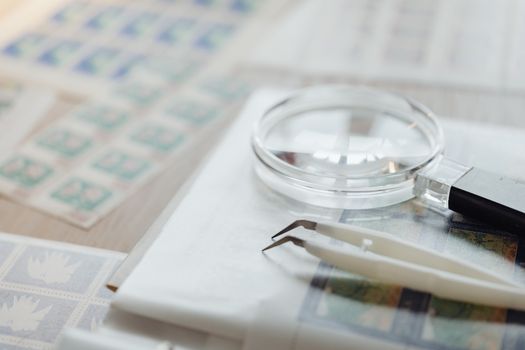 Photo: www.kaboompics.com / Pexels
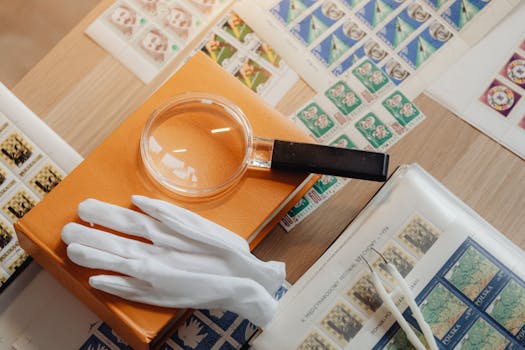 Photo: www.kaboompics.com / Pexels
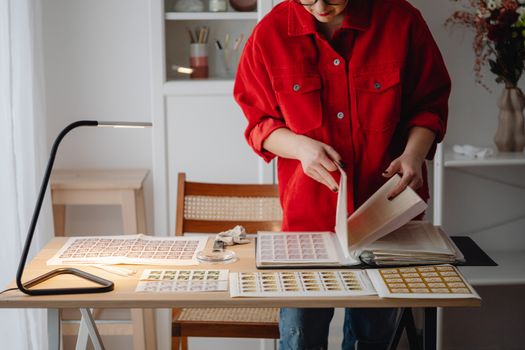 Photo: www.kaboompics.com / Pexels
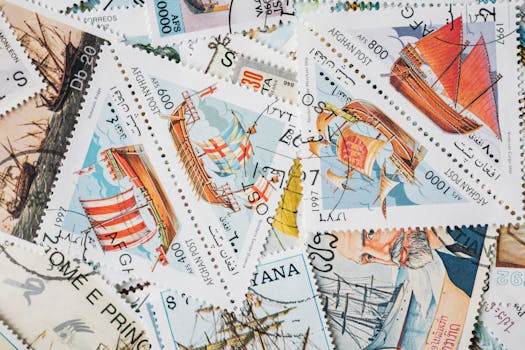 Photo: Tolga deniz Aran / Pexels