✓ British Columbia offers diverse terrain for metal detecting, from beaches to historic mining towns.
✓ Joining a club provides access to shared knowledge, equipment tips, and group hunts.
✓ Understanding local regulations and ethics is paramount for responsible detecting.
✓ Many clubs actively participate in historical preservation and community outreach.
How It Works
1
Research Local Clubs
Begin by searching for metal detecting clubs operating within your region of British Columbia. Websites, social media, and local hobby shops are great starting points.
2
Attend a Meeting/Event
Most clubs welcome prospective members to attend a meeting or a casual hunt to experience their community firsthand. This is an excellent way to gauge compatibility.
3
Join and Participate
Once you find a suitable club, complete the membership process. Actively participate in meetings, workshops, and organized hunts to maximize your experience.
4
Learn and Contribute
Engage with experienced members to hone your skills and learn about local history and regulations. Share your finds and contribute to the collective knowledge of the group.
Why Join a Metal Detecting Club in British Columbia?
Photo: 书畅 何 / Pexels
The allure of metal detecting is undeniable, a thrilling blend of outdoor adventure, historical discovery, and the simple joy of finding something hidden. While solo detecting offers its own quiet charm, joining a metal detecting club in British Columbia elevates the experience to an entirely new level. British Columbia, with its rich tapestry of Indigenous history, colonial settlement, gold rushes, and industrial development, presents an unparalleled landscape for treasure hunting. From the ancient shores of the Pacific to the rugged interior mountains, every inch of this province holds potential secrets waiting to be unearthed. A club provides immediate access to a community of like-minded individuals who share your passion. This isn't just about finding old coins or relics; it's about connecting with people who understand the thrill of a good signal, the patience required for a difficult dig, and the excitement of identifying a piece of history. Imagine the shared stories around a campfire after a successful group hunt, or the detailed discussions about different detector models and their optimal settings. This collective knowledge base is invaluable for beginners and seasoned detectorists alike. Newcomers benefit immensely from the mentorship of experienced members who can teach proper techniques, offer advice on equipment choices, and guide them through the nuances of target identification. For those with more experience, clubs offer a platform to share their expertise, participate in advanced projects, and even contribute to historical research. Furthermore, clubs often organize group hunts, sometimes even gaining access to private properties or historical sites that would be otherwise off-limits to individual detectorists. These organized events not only increase the chances of finding interesting items but also provide a safer and more enjoyable detecting environment. The camaraderie and shared purpose found within a club foster an environment of learning and mutual support, making every outing more productive and fun. Beyond the social aspect, clubs are also instrumental in promoting responsible and ethical detecting practices. They educate members on local bylaws, historical preservation guidelines, and the 'leave no trace' philosophy, ensuring that the hobby is conducted respectfully and sustainably. This commitment to ethics helps to maintain positive relationships with landowners and local authorities, preserving access for future generations of detectorists. Moreover, many clubs engage in community service, helping to recover lost items for individuals or assisting archaeological efforts, further solidifying their positive presence within British Columbia. Joining a club is truly an investment in your hobby, offering unparalleled opportunities for learning, discovery, and friendship in the beautiful and historically rich landscape of British Columbia. For those new to the hobby, understanding the nuances of responsible detecting is crucial, and a club provides the perfect environment for this education. Learn more about general hobby guidelines to ensure you're well-prepared before your first club outing. The shared passion found in these groups is what truly makes metal detecting a vibrant and rewarding pastime in this province. The diverse terrain, from the urban parks of Vancouver to the remote trails of the Kootenays, means that clubs often specialize in different types of detecting, catering to a wide range of interests and skill levels. Whether you're interested in coin shooting, relic hunting, or even beach detecting, there's likely a club that aligns perfectly with your specific passion. This specialization allows for deeper dives into specific historical periods or geographical areas, enhancing the overall experience for members. The benefits of shared resources, such as specialized tools or even advanced detectors, can also be a significant advantage, particularly for those just starting out who may not want to invest heavily in equipment immediately. Ultimately, a metal detecting club transforms a solitary pursuit into a shared adventure, enriching not just your finds, but your life experiences as well.
Navigating Regulations and Ethics for BC Detectorists
Photo: David Kanigan / Pexels
One of the most critical aspects of metal detecting in British Columbia, especially when operating within a club, is a thorough understanding of local regulations and ethical guidelines. Unlike some other jurisdictions, Canada has a complex patchwork of laws governing the recovery of historical artifacts, and British Columbia is no exception. Ignorance of these laws is not a defense, and improper detecting can lead to fines, confiscation of equipment, and even criminal charges, not to mention damaging the reputation of the entire metal detecting community. This is where the collective wisdom and guidance of a metal detecting club become indispensable. Clubs often have members who are well-versed in the provincial heritage laws, municipal bylaws, and federal regulations that impact where and how you can detect. They can provide up-to-date information on protected archaeological sites, Indigenous cultural heritage areas, and public lands where detecting may be restricted or prohibited. For example, the British Columbia Heritage Conservation Act is a key piece of legislation that protects archaeological sites and artifacts. It states that all archaeological sites in B.C. are protected whether they are known or not, and that artifacts cannot be removed without a permit. Clubs can help members understand what constitutes an 'archaeological site' and how to report significant finds responsibly. They often advocate for detectorists' rights while simultaneously promoting responsible stewardship of cultural heritage. Beyond legal compliance, ethical detecting is a cornerstone of any reputable club. This includes practices such as obtaining explicit permission before detecting on private land, filling in all holes neatly and completely, and leaving no trace of your presence. It also involves the responsible handling of finds, particularly those with historical significance. Rather than simply keeping every old coin or relic, ethical detectorists understand the importance of documenting finds, and in some cases, reporting them to local museums or heritage organizations. Clubs frequently organize educational sessions on these topics, inviting experts from heritage organizations or local historians to speak to members. This ensures that everyone is not only aware of the rules but also understands the 'why' behind them – the importance of preserving British Columbia's rich history for future generations. Furthermore, clubs often have established protocols for dealing with significant finds, such as contacting local First Nations communities if an Indigenous artifact is discovered, or informing provincial authorities about potential archaeological sites. This proactive approach helps to build trust between the detecting community and other stakeholders, ensuring the hobby remains viable and respected. Without the structure and guidance of a club, individual detectorists might inadvertently violate regulations or engage in practices that harm the public perception of the hobby. The shared responsibility and educational resources provided by clubs are vital for fostering a community of responsible and ethical treasure hunters in British Columbia. Adhering to these guidelines is not just about avoiding trouble; it's about being a respectful and contributing member of the broader community and a true steward of history. The varied landscapes of British Columbia, from its coastal regions to its interior plateaus, each come with their own unique historical contexts and, therefore, specific regulations. A club often has members with specialized knowledge of these regional differences, providing insights that are hard to find elsewhere. For example, detecting near historical gold rush towns will have different considerations than detecting on a modern beach. This nuanced understanding is a huge advantage that a club offers. They also act as a collective voice, allowing for dialogue with local governments and heritage bodies, which can lead to better outcomes for the hobby as a whole.
Spotlight: Active Metal Detecting Clubs in British Columbia
Photo: Kawê Rodrigues / Pexels
British Columbia is home to several active and welcoming metal detecting clubs, each offering unique opportunities for enthusiasts across the province. While specific club activities and membership details can change, these examples provide a snapshot of the vibrant community available. One of the most prominent is often the **Vancouver Island Metal Detecting Club (VIMDC)**, which caters to detectorists on Vancouver Island and surrounding areas. This club typically organizes regular hunts in various locations, from beaches and parks to old homesteads. They focus on promoting responsible detecting, sharing knowledge, and fostering a strong sense of community. Members often share their finds, discuss historical context, and provide valuable tips on equipment and techniques. Their events are usually well-attended and provide excellent networking opportunities. Another key player is often the **Lower Mainland Metal Detecting Club**, serving the densely populated Greater Vancouver area and Fraser Valley. This club navigates the challenges and opportunities of urban and semi-urban detecting, often focusing on parks, schoolyards, and private properties with permission. They are known for their educational sessions, which might cover topics like target identification, historical map research, and detector maintenance. Given the rich history of the Lower Mainland, from early European settlements to significant Indigenous sites, this club offers a fascinating lens into the region's past. Further inland, clubs like those potentially found in the **Okanagan Valley** or **Kootenay Region** might focus more on gold rush history, pioneer settlements, and even abandoned mining towns. These areas offer a different detecting experience, often involving more rugged terrain and the potential for older, more unique finds related to the province's resource extraction history. These clubs often emphasize safety in remote areas and may organize multi-day detecting trips. When considering a club, it's beneficial to look at their regular meeting schedule, the types of hunts they organize, and their emphasis on education and ethical practices. Many clubs maintain websites or active social media groups where prospective members can learn more and get a feel for their community. Attending an open meeting is highly recommended to meet current members and ask questions firsthand. Each club will have its own personality and areas of focus, so finding one that aligns with your specific interests and geographical location is key. These clubs are more than just groups of people with metal detectors; they are custodians of history, educators of best practices, and vibrant social hubs for a fascinating hobby. They embody the spirit of discovery and community that makes metal detecting such a rewarding pursuit in British Columbia. For those looking to dive deeper into responsible practices, consider checking out resources on ethical treasure hunting. The diversity of British Columbia's geography means that clubs often adapt their activities to their local environment, whether it's coastal beach detecting for lost jewelry or inland relic hunting for historical artifacts. This regional specialization enriches the hobby, allowing members to focus on particular historical periods or types of finds that are most prevalent in their area. Some clubs might even have dedicated 'research' committees that delve into historical maps and archives to identify promising new detecting locations, which is a huge benefit to members who might not have the time or expertise for such detailed groundwork. The shared experience of a group find, where multiple detectors pinpoint a historical cluster, can be incredibly exciting and memorable, far surpassing the thrill of a solo discovery. Moreover, many clubs engage in friendly competitions, such as 'most interesting find' showcases at meetings, which adds another layer of engagement and motivation for members.
Tips for Joining and Maximizing Your Club Experience
Photo: Bas Geerlings / Pexels
Joining a metal detecting club in British Columbia is a fantastic first step, but truly maximizing your experience requires a bit of proactive engagement. Here are some essential tips to ensure you get the most out of your membership:
* **Do Your Homework:** Before committing, research several clubs in your area. Look at their mission statements, past activities, and any online presence. Do they align with your interests (e.g., coin shooting, relic hunting, beach detecting)? Does their meeting schedule fit yours?
* **Attend as a Guest First:** Most clubs welcome guests to attend a meeting or even a casual hunt before joining. This is your chance to meet members, ask questions, and observe the club's dynamics. Pay attention to how members interact, the level of expertise, and the overall atmosphere.
* **Don't Be Afraid to Ask Questions:** As a newcomer, you'll have many questions about equipment, techniques, local sites, and regulations. Experienced members are usually eager to share their knowledge. There are no 'silly' questions when you're learning.
* **Volunteer Your Time:** Clubs are often run by volunteers. Offering to help with organizing events, setting up meetings, or contributing to club projects is a great way to integrate yourself, meet more people, and demonstrate your commitment.
* **Share Your Finds (and Stories!):** Even if your finds aren't museum-worthy, sharing them at meetings or on club forums is a vital part of the community experience. It sparks conversation, provides learning opportunities, and allows others to celebrate your successes.
* **Adhere to Club Ethics and Rules:** Every club will have its own code of conduct, often reinforcing provincial laws and ethical detecting practices. Respecting these rules is non-negotiable and crucial for maintaining the club's reputation and access to detecting sites.
* **Invest in Good Equipment (Eventually):** While clubs can help with initial guidance, having a reliable metal detector suitable for BC's varied terrain will significantly enhance your detecting success and enjoyment. Ask members for recommendations based on your budget and target finds.
* **Learn About Local History:** The more you know about the history of an area, the better you can predict where interesting finds might be. Clubs often have members who are amateur historians, and their insights can be invaluable.
* **Be Patient and Persistent:** Metal detecting requires patience. You won't always find something significant on every outing. The support and encouragement from club members can help you stay motivated during quieter hunts. The true treasure often lies in the experience itself and the stories you collect.
* **Network and Build Friendships:** Beyond the hobby, clubs are fantastic places to forge lasting friendships with people who share a unique interest. These connections can lead to private land permissions, shared research projects, and even travel companions for detecting adventures. The more you put into the club, the more you'll get out of it, both in terms of finds and personal satisfaction. Getting involved can also open doors to specialized workshops or joint projects with local historical societies, deepening your connection to British Columbia's heritage.
Comparison
Feature
Metal Detecting Club
Solo Detecting
Online Forums Only
Access to Private Land
✓ (often organized)
✗ (individual effort)
✗
Mentorship/Learning
✓ (direct, hands-on)
✗ (self-taught)
✓ (text-based)
Shared Equipment/Resources
✓ (sometimes available)
✗
✗
Community & Social Aspect
✓ (strong)
✗ (isolated)
✓ (virtual)
Ethical/Legal Guidance
✓ (expert advice)
✗ (self-research)
✓ (varied reliability)
Motivation & Accountability
✓ (group hunts, challenges)
✗
✗
Safety in Remote Areas
✓ (group detecting)
✗ (higher risk)
✗
What Readers Say
★★★★★
"Joining the Vancouver Island Metal Detecting Club was the best decision! I found my first silver coin on a group hunt, and the members taught me so much about identifying targets. The camaraderie is incredible."
Sarah L. · Victoria, BC
★★★★★
"The Lower Mainland club helped me understand all the tricky regulations for detecting in urban areas. Their workshops are super informative, and I've made some great friends. Highly recommend for any BC detectorist."
Mark R. · Surrey, BC
★★★★★
"Thanks to my local club, I got access to an old orchard site and found a beautiful 19th-century button! Their historical research resources are unparalleled, and the experienced members are always willing to help."
Emily P. · Kelowna, BC
★★★★★
"I appreciate the focus on ethical detecting within my club. While I sometimes wish there were more diverse hunt locations, the knowledge shared and the commitment to responsible recovery is truly commendable."
David W. · Nanaimo, BC
★★★★★
"As a busy professional, I love that the club organizes weekend hunts. It's a fantastic way to escape, explore BC's history, and connect with people who share my passion for uncovering lost treasures. The social aspect is a huge bonus."
Jessica M. · Burnaby, BC
Frequently Asked Questions
What are the legal restrictions for metal detecting in British Columbia?
British Columbia has strict regulations, primarily under the Heritage Conservation Act, protecting archaeological sites and artifacts. It's generally illegal to disturb or remove artifacts from protected sites without a permit. Detecting is also restricted in national parks, provincial parks, and often on municipal lands without specific permission. Always research local bylaws and gain landowner permission before detecting.
Do I need an expensive metal detector to join a club?
No, you do not need an expensive metal detector to join a club. Many clubs welcome beginners with entry-level equipment. Experienced members can offer advice on suitable detectors for your budget and specific interests, and some clubs may even have loaner equipment or members willing to let you try theirs.
How do I find a metal detecting club near me in British Columbia?
To find a club, start by searching online for 'metal detecting clubs British Columbia' or 'metal detecting [your city/region]'. Check social media groups, dedicated hobby forums, and local hobby shops. Many clubs have websites or Facebook pages where they post meeting times and contact information.
What is the typical cost of joining a metal detecting club?
Membership fees for metal detecting clubs in British Columbia are generally quite reasonable, often ranging from $20 to $50 annually. These fees typically cover administrative costs, insurance for club activities, and sometimes contribute to special events or equipment purchases. It's a small investment for the wealth of knowledge and opportunities gained.
Are metal detecting clubs only for finding valuable treasures?
Absolutely not. While finding valuable items is a thrilling possibility, metal detecting clubs emphasize the historical, recreational, and social aspects of the hobby. Many members are more interested in uncovering historical artifacts, learning about the past, enjoying the outdoors, and building friendships than they are in monetary gain. The joy of discovery itself is the primary reward.
Who should join metal detecting clubs in British Columbia?
Anyone with an interest in history, outdoor exploration, and a passion for uncovering hidden treasures should consider joining a metal detecting club in British Columbia. It's ideal for beginners looking for guidance, experienced detectorists seeking community, and individuals who want to learn about responsible and ethical detecting practices while exploring BC's rich past.
Is metal detecting safe in British Columbia?
Metal detecting in British Columbia is generally safe, especially when done with a club. Clubs promote safe practices, such as detecting in groups, being aware of your surroundings, and understanding terrain hazards. The primary risks involve encountering unexploded ordnance (rare but possible), digging in unsafe areas, or infringing on private property, all of which clubs help to mitigate through education and organized activities.
What is the future of metal detecting in British Columbia?
The future of metal detecting in British Columbia looks promising, with a growing interest in historical preservation and outdoor hobbies. Clubs are playing a crucial role in advocating for responsible detecting, fostering positive relationships with heritage organizations, and educating new generations. As technology advances and more historical data becomes accessible, the opportunities for discovery will continue to evolve, making the hobby even more engaging.
Ready to turn your curiosity into discovery? Join a metal detecting club in British Columbia today and unlock a world of history, adventure, and camaraderie. Your next great find is waiting.

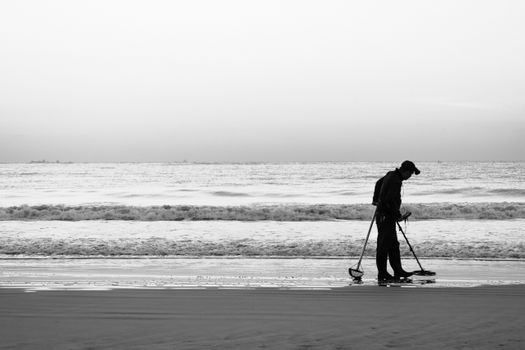 Photo: 书畅 何 / Pexels
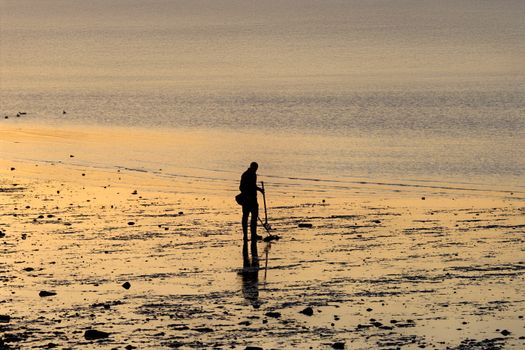 Photo: David Kanigan / Pexels
 Photo: Kawê Rodrigues / Pexels
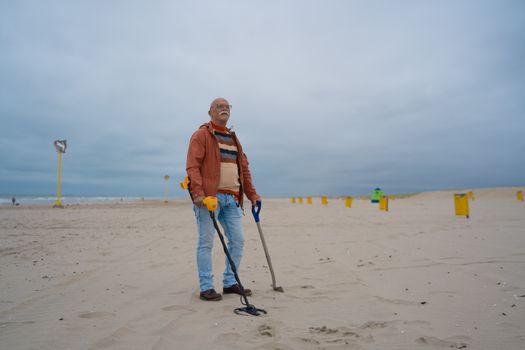 Photo: Bas Geerlings / Pexels