✓ Canada has a rich numismatic history, offering diverse collecting opportunities.
✓ Understanding coin grades and historical context is crucial for valuation.
✓ The Royal Canadian Mint issues both circulation and collector coins.
✓ Joining a local coin club can significantly enhance your collecting experience.
How It Works
1
Learn the Basics
Familiarize yourself with Canadian coinage history, types of coins, and basic terminology. This foundational knowledge will empower your collecting journey.
2
Acquire Your First Coins
Start with common circulation coins, or explore entry-level collector sets from the Royal Canadian Mint. Begin building your collection with accessible pieces.
3
Research and Identify
Utilize reputable resources like coin catalogs and online databases to identify your coins. Proper identification is key to understanding their significance and potential value.
4
Store and Protect
Invest in appropriate archival-quality storage solutions to preserve your coins' condition. Proper storage is essential for maintaining their value and preventing damage.
Embarking on Your Canadian Numismatic Journey
Photo: Erik Mclean / Pexels
The world of coin collecting is a fascinating one, and focusing on Canadian numismatics offers a unique blend of history, art, and potential investment. Whether you're a seasoned collector or just starting out, a comprehensive guide to coin collecting Canada is essential. Canada's coinage tells a story of a nation, from its early colonial days to its modern, diverse identity. You'll encounter coins featuring iconic wildlife, significant historical figures, and commemorative events that have shaped the country. This journey begins with understanding the basics: what makes a coin collectible, where to find them, and how to properly care for your growing collection.
One of the first steps is to familiarize yourself with the Royal Canadian Mint (RCM). The RCM is responsible for producing all of Canada's circulation coins, as well as a wide array of commemorative and bullion coins for collectors. Their annual releases often include innovative designs, unique finishes, and limited editions that can become highly sought after. Knowing the RCM's output and historical issues is crucial for any Canadian coin collector. Beyond the RCM, understanding the various periods of Canadian coinage – from pre-Confederation tokens and provincial issues to the Dominion of Canada and modern decimal coinage – will broaden your collecting horizons. Each era presents distinct challenges and rewards, with some early pieces being exceptionally rare and valuable.
Starting your collection doesn't require a significant initial investment. Many collectors begin by simply checking their change for interesting dates, mint marks, or varieties. This 'cherry-picking' method is a fun and cost-effective way to build a foundational collection. As your interest grows, you might explore purchasing starter sets, attending local coin shows, or browsing online marketplaces. The key is to start small, learn continuously, and enjoy the process of discovery. Remember, the value of a coin isn't solely monetary; it's also in the history it represents and the personal satisfaction it brings. Proper identification and understanding of a coin's historical context are paramount. This involves delving into resources like the 'Charlton Standard Catalogue of Canadian Coins', which is often considered the bible for Canadian numismatists. This catalogue provides detailed listings, historical information, and approximate values, serving as an invaluable tool for both beginners and advanced collectors. By immersing yourself in these resources, you'll develop the expertise needed to navigate the exciting world of Canadian coin collecting.
Identifying and Valuing Your Canadian Coins
Photo: RDNE Stock project / Pexels
Once you begin acquiring coins, the next critical step is accurate identification and valuation. This process can be both challenging and rewarding, as it requires a keen eye for detail and a solid understanding of numismatic principles. The most fundamental aspect of identification involves recognizing the coin's denomination, date, and mint mark (if present). Canadian coins often feature mint marks for Ottawa ('O'), Winnipeg ('W'), or sometimes none if produced at the main Ottawa facility during certain periods. Beyond these basics, you'll need to look for specific varieties, errors, and design changes that can significantly impact a coin's rarity and value.
Condition, or 'grade,' is perhaps the single most important factor in determining a coin's value. A coin's grade refers to its state of preservation, ranging from 'Poor' (P) to 'Perfect Uncirculated' (MS-70). Learning to grade coins accurately takes practice and experience. Key factors include the amount of wear on the highest points of the design, the presence of original luster, and the absence of scratches, dents, or environmental damage. Professional grading services, such as the Professional Coin Grading Service (PCGS) or Numismatic Guaranty Corporation (NGC), offer expert, unbiased assessments, encapsulating coins in tamper-evident holders with their assigned grade. While professional grading can be an investment, it provides authenticity and a standardized grade, which is especially important for more valuable pieces.
Valuation also depends heavily on rarity and demand. A coin might be rare due to a low mintage figure, a specific error, or being a key date in a series. However, rarity alone doesn't guarantee high value; there must also be sufficient demand from collectors. Resources like the Charlton Standard Catalogue provide estimated values based on various grades, but these are guides, not definitive prices. Market conditions, auction results, and dealer inventories also play a significant role. Online auction sites and dedicated numismatic forums can offer insights into current market trends and realized prices for specific coins. Always cross-reference multiple sources to get a realistic understanding of a coin's potential worth. Engaging with experienced collectors and dealers can also provide invaluable insights into the nuances of the Canadian coin market. They often have a deep understanding of subtle variations and market shifts that might not be immediately apparent to a novice. Moreover, understanding the historical context of a coin's mintage, including economic conditions or significant events, can shed light on its rarity and desirability. For instance, coins minted during wartime or periods of economic downturn might have lower mintages or unique compositions, making them more interesting to collectors. This holistic approach to identification and valuation will serve you well in building a truly valuable and meaningful Canadian coin collection.
Essential Tools and Resources for Canadian Coin Collectors
Photo: Simão Moreira / Pexels
To truly excel in the hobby of coin collecting, especially when focusing on Canadian numismatics, equipping yourself with the right tools and resources is paramount. These aids will not only assist in identifying and grading your coins but also in protecting and organizing your collection, ensuring its longevity and value. The very first tool every collector should acquire is a good magnifying glass or a jeweler's loupe. Magnification, typically 5x to 10x, allows you to examine fine details, mint marks, small errors, and the overall condition of a coin that might be invisible to the naked eye. This is crucial for accurate identification and preliminary grading. Another indispensable item is a pair of soft, lint-free cotton gloves. Handling coins directly with bare hands can transfer oils and acids from your skin, leading to discoloration and damage over time. Gloves provide a protective barrier, preserving the coin's surface and luster.
For storage, investing in archival-safe materials is non-negotiable. Avoid PVC (polyvinyl chloride) flips, as they contain plasticizers that can leach out over time and cause irreversible damage, often leaving a sticky green residue on your coins. Instead, opt for Mylar flips, inert plastic slabs, or acid-free cardboard holders. Coin albums specifically designed for Canadian coinage, often with designated slots for each date and mint mark, are excellent for organizing and displaying your collection. These albums are typically made from safe materials and provide a systematic way to track your progress. For more valuable coins, consider professional grading services that encapsulate coins in inert, tamper-evident holders, offering superior protection and an authenticated grade. This is particularly useful for key dates or rare varieties.
Beyond physical tools, access to reliable information is your most powerful resource. The 'Charlton Standard Catalogue of Canadian Coins' is an absolute must-have. Updated regularly, it provides comprehensive listings of all Canadian coins, including historical context, mintage figures, varieties, and estimated values across different grades. Online resources are also incredibly valuable. Websites like the Royal Canadian Mint's official site offer details on current and past issues. Numismatic forums and dedicated Canadian coin collecting websites provide platforms for discussion, sharing knowledge, and even buying/selling coins. Joining a local coin club or a national organization like the Royal Canadian Numismatic Association (RCNA) can also open doors to a wealth of knowledge, expert advice, and networking opportunities. These communities often host meetings, shows, and educational seminars, enriching your hobby and connecting you with fellow enthusiasts. By leveraging these tools and resources, you'll be well-equipped to navigate the complexities and joys of Canadian coin collecting.
Common Mistakes and Smart Strategies for Canadian Coin Collectors
Photo: www.kaboompics.com / Pexels
As with any hobby, coin collecting comes with its share of potential pitfalls, especially for newcomers. Avoiding common mistakes and adopting smart strategies from the outset can save you time, money, and frustration, ensuring a more enjoyable and successful collecting journey in Canadian numismatics.
**Common Mistakes to Avoid:**
* **Cleaning Coins:** This is perhaps the most frequent and damaging mistake. Cleaning a coin, even gently, almost always reduces its numismatic value. You might remove desirable toning, scratch the surface, or damage the original luster. Leave coins as you find them; professional conservation is a specialized field.
* **Improper Storage:** As mentioned, using PVC flips or storing coins in non-archival materials can lead to irreversible damage. Always use inert, acid-free holders designed for coin preservation.
* **Overpaying for Common Coins:** Beginners sometimes get excited and pay premium prices for coins that are readily available. Research market values thoroughly before making purchases.
* **Ignoring Authentication:** Especially when dealing with higher-value coins, always ensure authenticity. Buy from reputable dealers or consider professional grading for peace of mind.
* **Lack of Focus:** Trying to collect everything can quickly become overwhelming and expensive. Start with a specific area of interest, like a particular denomination, era, or thematic collection.
**Smart Strategies for Success:**
* **Educate Yourself Continuously:** Read books, catalogs, articles, and join online forums. The more you learn about Canadian coinage, its history, and market trends, the better collector you'll become.
* **Network with Other Collectors:** Join a local coin club or online communities. Fellow collectors can offer advice, share resources, and help you find new additions to your collection.
* **Buy the Book Before the Coin:** This old adage emphasizes the importance of research. Understand what you're looking for and its value before you make a purchase.
* **Focus on Condition:** For most series, a higher-grade common coin is often more desirable and holds its value better than a low-grade rare coin. Always strive for the best condition you can afford.
* **Set a Budget:** Coin collecting can be addictive. Establish a realistic budget and stick to it to prevent overspending. This helps you prioritize your purchases and collect sustainably.
* **Document Your Collection:** Keep detailed records of your coins, including purchase date, price, grade, and any unique characteristics. This helps with insurance, valuation, and organization.
* **Attend Coin Shows:** These events are excellent for seeing a wide variety of coins, meeting dealers, and learning from experts. They also provide opportunities to find unique pieces and negotiate prices.
By being mindful of these common pitfalls and actively implementing smart collecting strategies, your journey through the world of Canadian numismatics will be far more rewarding and successful.
Comparison
Feature
Royal Canadian Mint
Local Coin Shows
Online Marketplaces
Family Inheritance
Access to New Issues
✓
✗
✓ (Resale)
✗
Authenticity Assurance
High
Variable
Variable
High
Variety of Coins
Limited (New)
High
Very High
Variable
Pricing Transparency
Fixed
Negotiable
Variable
N/A
Community Interaction
Limited
High
Moderate
Low
What Readers Say
★★★★★
"This guide to coin collecting Canada is incredibly thorough! I've been collecting for years, and I still learned so much about grading and specific Canadian varieties. Highly recommended for all levels."
Sarah J. · Vancouver, BC
★★★★★
"As a complete beginner, this guide was exactly what I needed. It broke down complex topics into easy-to-understand language and gave me a clear roadmap to start my Canadian coin collection. Fantastic resource!"
Mark D. · Toronto, ON
★★★★★
"Thanks to this guide, I finally understood how to properly identify mint marks and errors on my inherited Canadian coins. It helped me accurately value several pieces, resulting in a much more organized and appreciated collection."
Emily R. · Calgary, AB
★★★★★
"A very solid guide, particularly strong on the historical context of Canadian coinage. While some sections felt a bit dense, the actionable advice on storage and common mistakes was invaluable."
David L. · Montreal, QC
★★★★★
"I used this guide to help my son start his first coin collection focusing on Canadian quarters. The step-by-step approach made it so engaging for him, and now he's an enthusiastic numismatist!"
Jessica M. · Halifax, NS
Frequently Asked Questions
What are the most valuable Canadian coins to look for?
The value of Canadian coins varies significantly based on rarity, condition, and demand. Some of the most sought-after include the 1921 50-cent piece, the 1936 Dot Cent, and certain varieties of the 1969 Large Date 10-cent coin. Early provincial issues and pre-Confederation tokens can also be very valuable. Always consult updated catalogs for current market estimates and specific identifiers.
Is coin collecting in Canada an expensive hobby to start?
Not necessarily! You can start coin collecting in Canada with very little money by simply checking your change for interesting dates, errors, or varieties. Many common Canadian coins from recent decades are affordable. As your interest grows, you can invest more in specific series, higher-grade coins, or professional tools, but the entry barrier is low.
How do I properly store my Canadian coin collection?
Proper storage is crucial to preserve your coins' value and condition. Always use archival-safe materials such as Mylar flips, inert plastic slabs (like those used by PCGS or NGC), or acid-free cardboard holders. Avoid PVC-containing products, as they can damage coins over time. Store your collection in a stable environment, away from extreme temperatures, humidity, and direct sunlight.
Where can I find reliable information on Canadian coin values?
The most widely respected resource for Canadian coin values is the 'Charlton Standard Catalogue of Canadian Coins,' which is updated annually. Online resources like the Royal Canadian Mint's website, reputable numismatic forums, and auction result archives can also provide current market insights. Always cross-reference multiple sources for a balanced valuation.
How does Canadian coin collecting compare to US or international coin collecting?
Canadian coin collecting offers a unique focus on Canada's rich history, distinct designs, and the innovative work of the Royal Canadian Mint. While it shares many principles with US or international collecting (like grading and identification), the specific series, key dates, and cultural significance are uniquely Canadian. It often has a more accessible entry point for beginners compared to some highly competitive international markets.
Who should consider starting a Canadian coin collection?
Anyone with an interest in Canadian history, art, economics, or simply the thrill of discovery will find Canadian coin collecting rewarding. It's suitable for all ages and budgets, from casual collectors who check their change to dedicated numismatists building extensive specialized collections. It's a hobby that offers continuous learning and a tangible connection to the past.
What are the risks associated with buying and selling rare Canadian coins?
The main risks involve purchasing counterfeit coins, overpaying for a coin, or misrepresenting a coin's condition when selling. To mitigate these, always buy from reputable dealers, educate yourself thoroughly on market values and authentication, and consider professional grading for high-value items. When selling, be transparent about the coin's condition and history to maintain trust.
What are the emerging trends in Canadian numismatics?
Emerging trends include a growing interest in modern commemorative coins from the Royal Canadian Mint, especially those with unique finishes or low mintages. There's also increasing demand for error and variety coins, as well as a focus on digital tools and online communities for research and trading. Environmental and social themes on coins are also gaining popularity among collectors.
Ready to uncover the fascinating stories etched into Canada's currency? Embark on your own numismatic adventure with this comprehensive guide to coin collecting Canada, and start building a collection that reflects history, art, and personal passion today. Happy collecting!
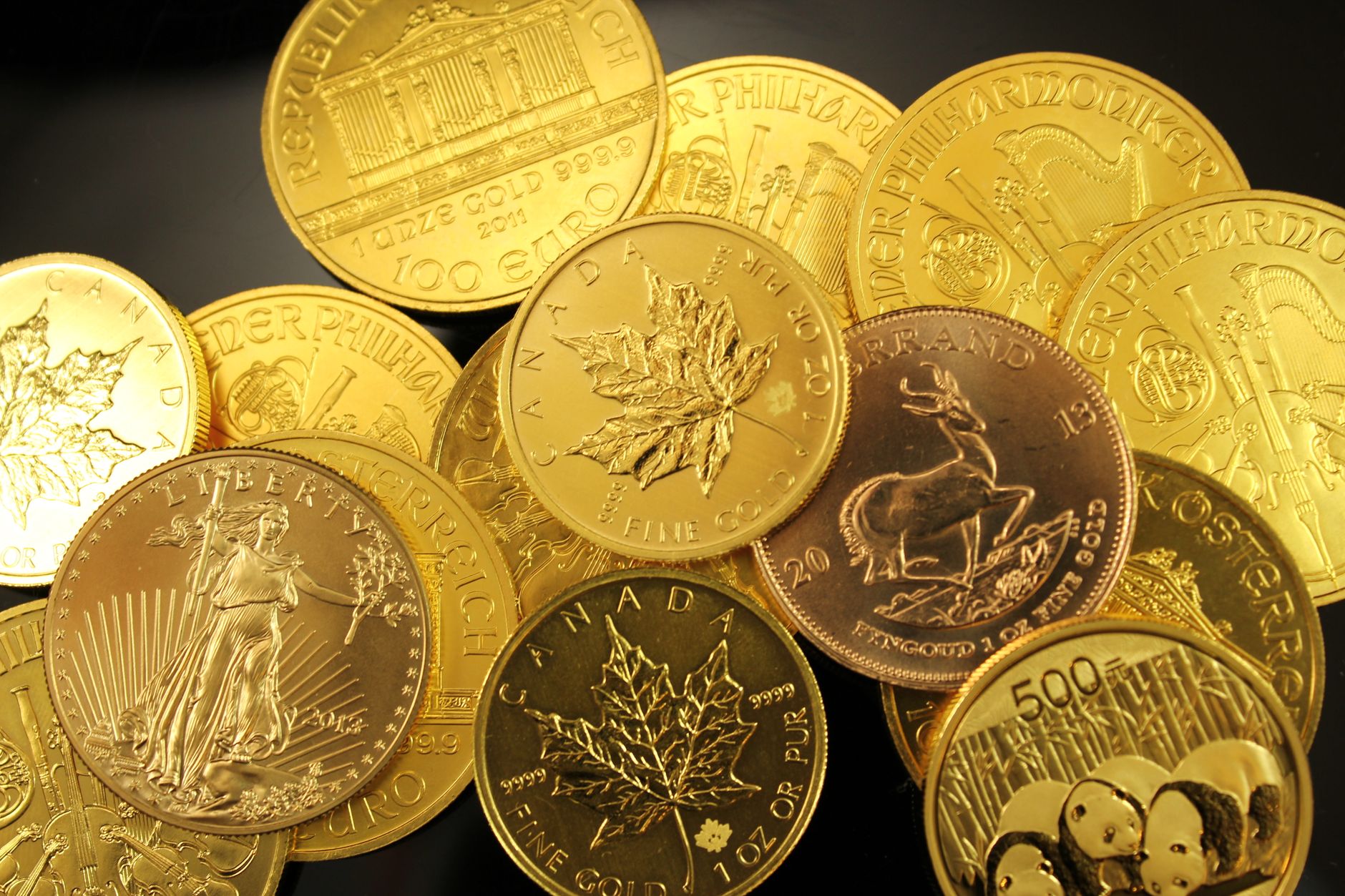
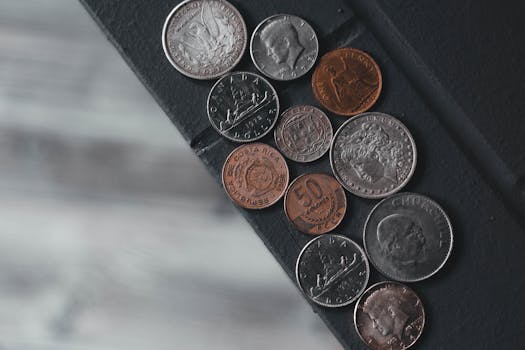 Photo: Erik Mclean / Pexels
 Photo: RDNE Stock project / Pexels
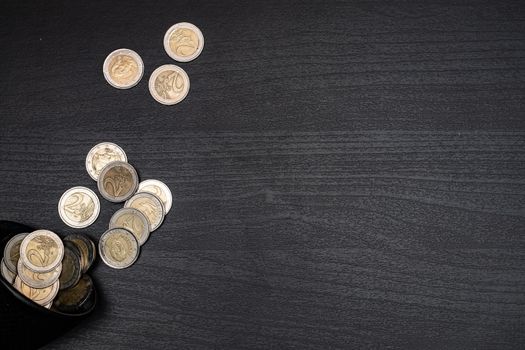 Photo: Simão Moreira / Pexels
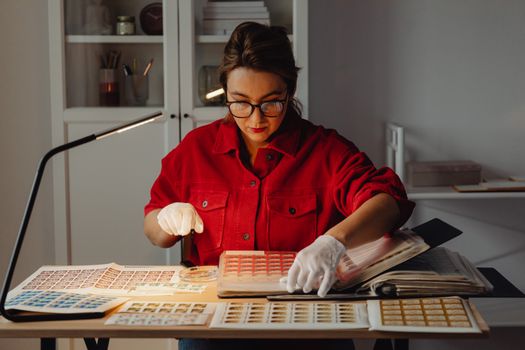 Photo: www.kaboompics.com / Pexels