✓ British Columbia boasts over 600 provincial parks and protected areas.
✓ The province offers a diverse range of trails, from coastal rainforests to arid interior deserts and towering alpine ranges.
✓ Many trails are accessible year-round, though alpine routes are best in summer and early fall.
✓ Grizzly and black bears are common in many areas; bear safety is paramount.
How It Works
1
Choose Your Region & Difficulty
British Columbia is vast. Decide if you prefer coastal, mountain, or interior landscapes, and then match a trail's difficulty to your fitness level and experience.
2
Research & Prepare Thoroughly
Consult trail reports, weather forecasts, and park advisories. Pack appropriate gear, food, water, and emergency supplies. Tell someone your itinerary.
3
Respect the Environment & Wildlife
Practice 'Leave No Trace' principles. Stay on marked trails, pack out all garbage, and maintain a safe distance from wildlife. Never feed animals.
4
Enjoy the Journey & Stay Safe
Savour the incredible natural beauty. Be aware of your surroundings, stay hydrated, and know your limits. Your safety is your responsibility.
Coastal Gems: Exploring British Columbia's Pacific Edge
Photo: James Wheeler / Pexels
British Columbia's coastline is a dramatic tapestry of ancient rainforests, rugged shorelines, and mist-shrouded islands, offering some of the most unique and unforgettable hiking experiences in the world. The Pacific Rim National Park Reserve, located on Vancouver Island, is home to the legendary West Coast Trail. This multi-day, challenging trek spans 75 kilometers, winding through dense old-growth forests, along sandy beaches, and across challenging tide pools and slippery boardwalks. It's an immersive experience requiring significant planning, permits, and a good level of fitness, but the rewards are unparalleled: stunning ocean vistas, encounters with marine wildlife, and a profound sense of accomplishment. Nearby, the Juan de Fuca Marine Trail offers a slightly less demanding but equally spectacular alternative, with sections suitable for day hikes, such as the China Beach to Mystic Beach portion. Here, you can witness massive sea stacks, explore caves at low tide, and feel the raw power of the Pacific Ocean. Further north on Vancouver Island, Strathcona Provincial Park provides a different coastal-mountain experience. While not directly on the ocean, its proximity to the coast influences its lush, often wet, environment. Trails like the Elk River Trail lead to stunning alpine lakes and glaciers, showcasing BC's incredible ecological diversity. The Sunshine Coast, accessible by ferry from Horseshoe Bay, also boasts incredible coastal hiking. The Sunshine Coast Trail, at 180 km, is Canada's longest hut-to-hut hiking trail, offering everything from short day hikes to epic multi-week adventures. Imagine traversing lush forests, crossing suspension bridges over roaring rivers, and emerging onto viewpoints with panoramic ocean and island views. These coastal trails often present unique challenges, such as mud, roots, and rapidly changing weather conditions, but they also offer the chance to connect deeply with the province's wild, untamed spirit. Always check tidal charts for beach sections, especially on the West Coast Trail, and be prepared for rain, even in summer. The reward for embracing these challenges is an intimate connection with one of the most biodiverse and stunning coastal environments on the planet. For those seeking shorter, family-friendly coastal walks, many provincial parks near urban centers, like those around Victoria and Vancouver, offer accessible trails with ocean views. Think of trails in places like Goldstream Provincial Park or along the seawalls of Stanley Park, which, while urban, provide a taste of BC's coastal beauty. The blend of sea air, towering trees, and the sound of crashing waves creates an almost spiritual hiking experience. Discover more about preparing for your hiking adventure to ensure you're ready for these incredible coastal journeys.
Alpine Adventures: Conquering British Columbia's Mountain Peaks
Photo: Navneet Kaur / Pexels
British Columbia is synonymous with mountains, and its alpine hiking trails are nothing short of legendary. From the iconic Canadian Rockies in the east to the Coast Mountains dominating the west, hikers have an endless array of options to ascend to breathtaking heights and witness panoramic vistas that stretch to the horizon. Garibaldi Provincial Park, just north of Vancouver, is a prime example of accessible alpine grandeur. Its crown jewel, the Garibaldi Lake Trail, leads through old-growth forest to a spectacular turquoise lake cradled by towering peaks and glaciers. For the more ambitious, trails like Panorama Ridge or Black Tusk provide even more challenging ascents with views that will undoubtedly leave you speechless, offering unparalleled perspectives of the surrounding volcanic landscape. These trails are typically snow-free from July to September, making them popular summer destinations, but require early starts and readiness for significant elevation gain. Further inland, the Okanagan Valley, while known for its vineyards and lakes, also offers incredible alpine hiking in its surrounding mountains. Trails in areas like Myra-Bellevue Provincial Park provide stunning views of Okanagan Lake and the diverse ecosystem of the region. While perhaps not as high-altitude as the Rockies, these trails offer unique perspectives on BC's interior landscapes, often with a drier, Ponderosa pine-filled environment. The true giants, however, lie in the Canadian Rockies. Although much of the iconic Banff and Jasper National Parks are in Alberta, British Columbia shares a significant portion of this majestic range, including Kootenay and Yoho National Parks. Yoho National Park, entirely within BC, boasts incredible trails such as the Iceline Trail, a strenuous loop offering unparalleled views of glaciers, waterfalls, and the iconic Takakkaw Falls. The Lake O'Hara area, though requiring a highly competitive permit, offers some of the most pristine and visually stunning alpine hiking in the world, with turquoise lakes, dramatic peaks, and wildflower meadows. Hiking in the alpine requires careful consideration of weather, which can change rapidly, and awareness of wildlife, including grizzly bears. Proper layering, sturdy footwear, and navigation skills are essential. The air is thinner, the sun is stronger, and the views are immeasurable. Whether you're aiming for a challenging summit or a serene stroll through a subalpine meadow, BC's mountains offer an unparalleled connection to nature's raw power and beauty. The sense of accomplishment upon reaching a high viewpoint, with the vastness of the landscape unfolding before you, is a feeling every hiker cherishes. Remember to always check current trail conditions and park notices before venturing into these high-altitude environments.
Interior and Northern Wilderness: Untamed British Columbia Trails
Photo: Інна Бутко / Pexels
Beyond the well-trodden coastal and accessible alpine paths, British Columbia’s vast interior and northern regions offer a different, often more solitary, hiking experience. These areas are characterized by diverse landscapes ranging from semi-arid grasslands to dense boreal forests and remote mountain ranges, providing a profound sense of wilderness and adventure. The Cariboo Chilcotin Coast region, for instance, offers a blend of ranchlands, pristine lakes, and rugged mountains. The Alexander Mackenzie Heritage Trail, also known as the Nuxalk-Carrier Grease Trail, is a historic route that Indigenous peoples used for trade. While largely undeveloped and requiring significant backcountry experience, sections can be explored, offering a glimpse into BC's rich history and untouched nature. The trails here often lead through forests of Lodgepole Pine and Douglas Fir, past serene lakes perfect for a quiet paddle or a refreshing dip after a day's hike. Moving further north, the landscape transforms into expansive boreal forests and subarctic tundra in regions like the Northern Rockies and the Stikine Plateau. Provincial parks such as Stone Mountain Provincial Park on the Alaska Highway offer incredible opportunities for remote hiking. Trails here often lead to stunning viewpoints overlooking vast valleys, glacial lakes, and towering peaks that see far fewer human visitors. The sheer scale of the landscape and the feeling of isolation are truly humbling. For those seeking multi-day backpacking trips in truly wild country, the northern reaches of BC are unparalleled. Consider the trails around Mount Robson Provincial Park, home to the highest peak in the Canadian Rockies. The Berg Lake Trail, a multi-day journey, leads to an iconic turquoise lake at the base of Mount Robson, surrounded by glaciers and waterfalls. This trail is incredibly popular and requires advance booking for camping, but it epitomizes the grandeur of BC's northern mountains. The interior also holds hidden gems like Cathedral Provincial Park in the Similkameen Valley, near the US border. This park features a unique high-elevation desert landscape, with stark, beautiful rock formations and crystal-clear alpine lakes. The trails here offer a distinct contrast to the coastal rainforests, with Ponderosa pines giving way to subalpine larch and expansive views. Hiking in these interior and northern regions often means longer distances to trailheads, fewer services, and a greater emphasis on self-sufficiency and backcountry skills. Wildlife encounters are more common, including moose, elk, and various bear species, making bear spray and knowledge of bear safety protocols essential. These trails offer a chance to truly disconnect and immerse oneself in the raw, untamed beauty of British Columbia, far from the crowds. Learn essential backcountry safety tips before embarking on these remote journeys to ensure a safe and rewarding experience.
Essential Tips for British Columbia Hiking & Common Mistakes to Avoid
Photo: Sonny Vermeer / Pexels
Embarking on a hiking adventure in British Columbia is an incredible experience, but proper preparation and awareness are crucial for both enjoyment and safety. Here are some essential tips and common mistakes to avoid:
**Essential Tips for a Successful BC Hike:**
* **Plan Ahead and Prepare:** This cannot be stressed enough. Research your chosen trail thoroughly. Check weather forecasts, trail conditions (especially for snowpack or closures), and daylight hours. Inform someone of your itinerary and expected return time.
* **Pack the 10 Essentials:** Always carry navigation (map, compass, or GPS), sun protection, insulation (extra clothing), illumination (headlamp), first-aid supplies, fire starter, repair kit, extra food, extra water, and an emergency shelter.
* **Layer Your Clothing:** BC's weather can be unpredictable. Dress in layers that can be added or removed to adapt to changing temperatures and precipitation. Avoid cotton; opt for moisture-wicking synthetics or wool.
* **Bring Plenty of Water:** Even on cooler days, hydration is vital. Carry more water than you think you'll need, or a water filter/purifier for longer trips.
* **Know Your Limits:** Choose trails that match your fitness level and experience. Don't push yourself beyond what's safe or comfortable.
* **Practice Bear Safety:** British Columbia is bear country. Carry bear spray, know how to use it, and make noise on the trail to avoid surprising bears. Store food in bear-resistant containers or hung from trees.
* **Leave No Trace:** Pack out everything you pack in. Stay on marked trails, respect wildlife, and minimize your impact on the environment.
* **Check for Park Advisories:** Before heading out, visit the BC Parks website or local park office for any closures, fire bans, or specific advisories.
**Common Mistakes to Avoid:**
* **Underestimating Weather Changes:** Mountain weather can shift dramatically in minutes. A sunny morning can turn into a cold, rainy, or even snowy afternoon, even in summer.
* **Lack of Proper Footwear:** Hiking in unsuitable footwear (like sneakers on rugged trails) can lead to blisters, sprains, and overall discomfort. Invest in proper hiking boots.
* **Not Carrying a Map/Navigation:** Relying solely on phone GPS is risky; batteries die. Always have a physical map and compass, and know how to use them.
* **Starting Too Late:** Especially on longer hikes, starting late in the day can mean racing against daylight or navigating in the dark, which increases risk.
* **Ignoring Wildlife Signs:** Fresh scat, tracks, or unusual animal behaviour should be taken seriously. Give wildlife plenty of space.
* **Overpacking or Underpacking:** Find a balance. Don't carry unnecessary weight, but ensure you have all essential safety gear.
* **Not Telling Anyone Your Plans:** In case of an emergency, search and rescue will have a much harder time finding you if no one knows where you went.
By following these guidelines, you'll significantly enhance your safety and enjoyment while exploring the best hiking trails British Columbia has to offer. Be prepared, be respectful, and immerse yourself fully in the natural wonders around you.
Comparison
Feature
West Coast Trail
Garibaldi Lake Trail
Iceline Trail (Yoho)
Myra Canyon Trestles
Difficulty
Strenuous (Multi-day)
Moderate (Day Hike)
Difficult (Day Hike)
Easy (Day Hike)
Scenery Type
Coastal Rainforest, Beaches
Alpine Lake, Glaciers
Glaciers, Waterfalls, Peaks
Historic Trestles, Valley Views
Permit Required
✓ (Highly Competitive)
✗ (Camping reservations for overnight)
✓ (Camping for overnight)
✗
Best Season
Summer (May-Sept)
Summer/Early Fall
Summer (July-Sept)
Spring, Summer, Fall
Distance (approx.)
75 km
18 km return
20 km loop
12 km one-way (24km return)
What Readers Say
★★★★★
"The West Coast Trail truly lives up to its reputation as one of the best hiking trails British Columbia offers. The challenge was immense, but the raw beauty of the rainforest and ocean was unforgettable. Every muddy step was worth it for those views!"
Sarah J. · Vancouver, BC
★★★★★
"Garibaldi Lake was absolutely stunning. The turquoise water against the mountains is even more beautiful in person. It's a challenging but rewarding day hike, and definitely one of the best hiking trails British Columbia has for alpine views."
Mark D. · Calgary, AB
★★★★★
"We did a multi-day trip in Kootenay National Park, and the sense of wilderness was incredible. Seeing a grizzly from a safe distance was a highlight. British Columbia's trails are truly world-class, delivering on every promise of adventure."
Emily R. · Seattle, WA
★★★★★
"Myra Canyon was a fantastic family-friendly option. The trestles were so unique, and the views of the Okanagan Valley were lovely. It might not be the most strenuous, but it's certainly one of the most accessible and enjoyable best hiking trails British Columbia offers for all ages."
Chris P. · Toronto, ON
★★★★★
"As an international traveler, I was blown away by the diversity of hiking in BC. From the lush trails around Vancouver to the majestic Rockies, every hike was a unique experience. Definitely coming back to explore more of the best hiking trails British Columbia has."
Jessica L. · London, UK
Frequently Asked Questions
What are the most iconic best hiking trails British Columbia offers?
Some of the most iconic trails include the West Coast Trail on Vancouver Island, the Garibaldi Lake Trail near Whistler, and sections of the Iceline Trail in Yoho National Park. These trails are renowned for their breathtaking scenery and diverse ecosystems, offering a true taste of BC's natural grandeur.
Is hiking in British Columbia safe, especially regarding wildlife?
Hiking in BC is generally safe, but wildlife, especially bears (black and grizzly), are present. It's crucial to carry bear spray, know how to use it, make noise on trails, and store food properly. Always research the specific wildlife in your chosen area and follow park guidelines for safety.
How do I prepare for a multi-day hike in British Columbia?
For multi-day hikes, thorough preparation is key. This includes obtaining necessary permits and reservations, extensive physical training, packing the '10 Essentials' (navigation, first-aid, shelter, etc.), carrying enough food and water, and informing someone of your detailed itinerary. Always check current trail conditions and weather forecasts.
What is the best time of year to hike the best hiking trails British Columbia?
The best time largely depends on the trail's elevation. Lower elevation coastal and interior trails are often accessible from spring through fall (April-October). Alpine trails, especially in the Rockies and Coast Mountains, are typically best from July to mid-September due to snowpack, though early fall offers stunning colours.
How do British Columbia's hiking trails compare to those in Alberta?
Both provinces offer world-class hiking in the Canadian Rockies. British Columbia's trails tend to be more diverse, encompassing coastal rainforests, interior deserts, and a wider range of mountain types (Coast Mountains, Rockies). Alberta's trails are often concentrated in the Rockies, known for their dramatic, accessible alpine scenery. BC offers a broader ecological spectrum for hikers.
Who should consider hiking the best hiking trails British Columbia?
Anyone with a love for nature, from casual walkers to experienced mountaineers, should consider hiking in BC. The province offers trails for every skill level, from easy interpretive loops to challenging multi-day backcountry expeditions, making it ideal for families, solo adventurers, and groups seeking diverse outdoor experiences.
What are the biggest risks when exploring the best hiking trails British Columbia?
The biggest risks include rapidly changing weather (hypothermia, exposure), wildlife encounters (bears), getting lost (poor navigation), and terrain hazards (slippery roots, steep drops, rockfall). Proper preparation, carrying the right gear, and knowing your limits significantly mitigate these risks.
What future trends are emerging for hiking in British Columbia?
Future trends include a continued focus on sustainable tourism and trail conservation, increased demand for booking systems for popular trails to manage impact, and the development of new long-distance routes. There's also a growing emphasis on technological aids for navigation and safety, alongside a push for more inclusive and accessible trail experiences for diverse users.
Ready to lace up your boots and explore? The best hiking trails British Columbia has to offer are waiting to reveal their breathtaking beauty and challenge your spirit of adventure. Start planning your unforgettable BC hiking journey today!

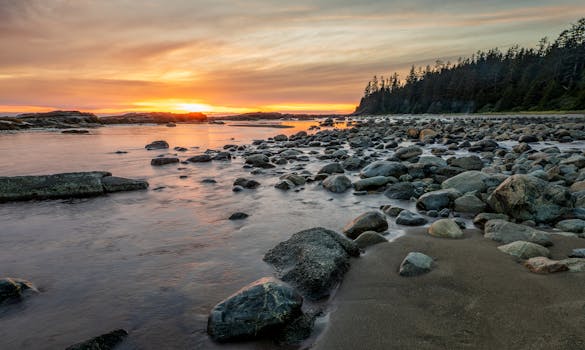 Photo: James Wheeler / Pexels
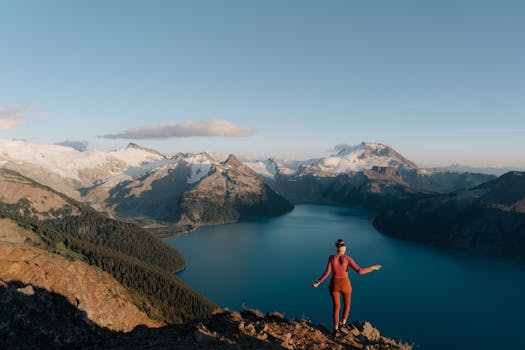 Photo: Navneet Kaur / Pexels
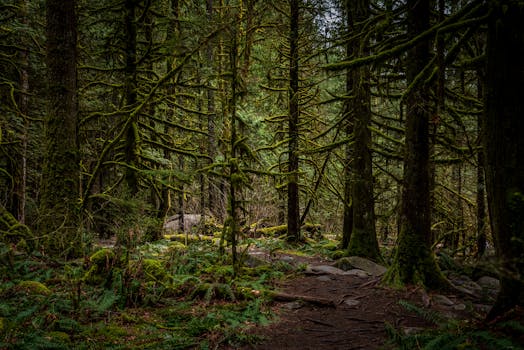 Photo: Інна Бутко / Pexels
 Photo: Sonny Vermeer / Pexels