✓ Canada has a rich philatelic history dating back to 1851.
✓ The 'Penny Black' is the world's first adhesive postage stamp, influencing Canadian designs.
✓ Condition, rarity, and historical significance heavily influence stamp value.
✓ Specialized tools like tongs and magnifiers are essential for proper handling.
How It Works
1
Research & Learn
Familiarize yourself with Canadian stamp history, key issues, and terminology. Understanding what makes a stamp valuable is crucial for informed collecting.
2
Acquire Your First Stamps
Begin with accessible starter kits, local dealers, or online auctions. Focus on stamps that genuinely interest you to build a passionate collection.
3
Organize & Preserve
Use proper albums, mounts, and storage methods to protect your collection from damage. Good preservation maintains both aesthetic appeal and potential value.
4
Connect & Expand
Join local clubs or online communities to share knowledge and find new acquisitions. Networking enhances your collecting experience and expertise.
The Allure of Canadian Philately: A Journey Through Time
Photo: https://kaboompics.com/ / Pexels
Collecting vintage stamps Canada is more than just a hobby; it's a captivating voyage through the nation's rich history, art, and culture. Each tiny piece of paper tells a story, from the early days of colonial postal services to significant national milestones and iconic figures. Canada's philatelic journey began in earnest with the issuance of its first official stamps in 1851, following the British North America Act. Before this, various local postmasters and private carriers handled mail, often using hand-stamped markings or pre-paid envelopes. The first Canadian stamps, known as the 'Three Penny Beaver,' depicted a beaver, a symbol of Canadian industry and ingenuity, and were designed by Sandford Fleming. This initial series also included stamps featuring Queen Victoria, a common theme for British Commonwealth nations. These early issues are highly sought after by collectors due to their age, historical significance, and often intricate designs.
What makes Canadian stamps particularly appealing to collectors worldwide is their diversity and the stories they encapsulate. From the iconic 'Large Queens' and 'Small Queens' series, which chronicle the reign of Queen Victoria, to the pictorial issues celebrating Canada's vast landscapes, wildlife, and indigenous cultures, there's a theme for every interest. Later issues introduced definitive series showcasing Canadian industries, historical events like Confederation, and the country's contributions to global affairs. The evolution of Canadian stamp design also mirrors advances in printing technology, moving from basic lithography to more sophisticated engraving and photogravure techniques, which allowed for greater detail and color fidelity. Understanding this historical progression is key to appreciating the nuances of your collection. For instance, early stamps often have perforations or lack them entirely (imperforate), which can significantly impact their value. The paper types, watermarks, and printing errors also add layers of complexity and excitement for the dedicated philatelist. Engaging with this fascinating hobby allows you to hold tangible pieces of Canadian heritage in your hands, connecting you directly to the past. It’s an educational pursuit that continually offers new discoveries and insights into the nation's development.
Starting Your Collection: Essential Tools and First Steps
Photo: https://kaboompics.com/ / Pexels
Embarking on your journey of collecting vintage stamps Canada requires a thoughtful approach, starting with the right tools and a clear understanding of basic philatelic practices. The good news is that you don't need to break the bank to begin. Essential tools include stamp tongs, a magnifier, and a stock book or album. Stamp tongs are crucial for handling stamps without damaging them; the oils and dirt from your fingers can degrade a stamp's condition and value over time. A good quality magnifier (around 10x magnification) will help you examine details like perforations, printing errors, watermarks, and plate flaws, which are often invisible to the naked eye but critical for identification and valuation.
For storage, a basic stock book with clear, acid-free strips is an excellent starting point. These books allow you to safely store stamps without mounting them, making them easy to view and rearrange. As your collection grows, you might invest in specialized albums designed for Canadian stamps, which often have pre-printed spaces for specific issues. When acquiring your first stamps, consider starting with a general collection of Canadian definitives or commemorative issues from a particular era that interests you. Many stamp dealers offer starter packs that provide a good variety at an affordable price. Local stamp clubs are invaluable resources, offering opportunities to learn from experienced collectors, trade stamps, and attend workshops. Online forums and auction sites like eBay or specialized philatelic auction houses are also popular avenues for acquiring stamps, but always exercise caution and research sellers thoroughly.
Before making any significant purchases, it's wise to invest in a current Canadian stamp catalogue, such as the Unitrade Specialized Catalogue of Canadian Stamps. This catalogue is the bible for Canadian philatelists, providing detailed information on every stamp issued, including variations, errors, and estimated values. While catalogue values are often retail estimates and not guaranteed purchase prices, they offer a vital benchmark for understanding rarity and market demand. Remember, the joy of collecting vintage stamps Canada comes not just from acquiring rare items but from the process of discovery, research, and the personal connection you develop with each piece of history. Don't be afraid to ask questions and learn from others; the philatelic community is generally welcoming and eager to share knowledge.
Valuation and Preservation: Protecting Your Philatelic Treasures
Photo: https://kaboompics.com/ / Pexels
Understanding the value of your vintage Canadian stamps and, more importantly, how to preserve them, is paramount for any serious collector. Stamp valuation is a complex process influenced by several factors: rarity, condition, demand, and historical significance. A stamp's condition is arguably the most critical factor; even a rare stamp will have significantly reduced value if it's torn, creased, stained, or has missing perforations. Collectors look for stamps that are well-centered, have vibrant original gum (if unused), and are free from any damage. Perforations should be intact and even. Used stamps are evaluated on the clarity of their cancellation mark, ideally not obscuring the design.
To accurately assess value, you'll need to identify the stamp precisely. This involves checking the issue date, denomination, color, printing method, and any distinguishing characteristics like watermarks or plate varieties. This is where your Canadian stamp catalogue becomes indispensable, providing detailed descriptions and images to help you pinpoint your stamp. For truly valuable or rare items, professional authentication by a recognized philatelic expert or society is highly recommended. Organizations like the Royal Philatelic Society of Canada offer expertizing services that can confirm a stamp's authenticity and condition, providing a certificate that significantly enhances its marketability and value.
Preservation is about protecting your investment and ensuring the longevity of these historical artifacts. Always handle stamps with tongs, never with bare fingers. Store stamps in acid-free albums or stock books, away from direct sunlight, extreme temperatures, and high humidity. UV light can fade colors, while humidity can cause stamps to stick together or encourage mold growth. Mylar or polypropylene mounts are preferred for mounting stamps in albums, as they are chemically inert and will not damage the stamp. Avoid using self-adhesive hinges or glues, which can permanently damage a stamp's gum and paper. If you have stamps that are currently hinged, it's often better to leave the hinge in place rather than risk tearing the stamp by attempting to remove it. Investing in proper archival supplies is a small price to pay for safeguarding your collection. By meticulously preserving your vintage stamps, you ensure that their historical and monetary value is maintained for future generations, making your collecting journey truly rewarding.
Advanced Collecting Strategies and Common Pitfalls
Photo: Abdessalem BENYAHIA / Pexels
As you delve deeper into collecting vintage stamps Canada, you'll discover advanced strategies that can enrich your hobby and help you build a more focused and valuable collection. One popular approach is 'specialized collecting,' where you focus on a specific area, such as:
* **Plate Varieties:** Collecting stamps that show specific printing flaws or variations from a particular printing plate.
* **Cancellations:** Focusing on different types of postal cancellations, including rare town cancels, fancy cancels, or railway post office (RPO) marks.
* **Errors, Freaks, and Oddities (EFOs):** Seeking out stamps with printing errors, color shifts, or missing perforations. These are often highly valuable.
* **Postal History:** Collecting covers (envelopes) that tell a story about the postal route, rates, and historical context. This combines philately with historical research.
* **Specific Series:** Concentrating on completing a particular definitive or commemorative series, like the 'Scroll' or 'Maple Leaf' issues.
**Common Pitfalls to Avoid:**
1. **Impulse Buying:** Always research before purchasing, especially for higher-value items. Don't let emotion override due diligence.
2. **Poor Storage:** As mentioned, improper storage can quickly degrade your collection's value. Invest in quality archival materials from the start.
3. **Cleaning or Repairing Stamps:** Unless you are a trained professional conservator, never attempt to clean, repair, or 'improve' a stamp. You'll likely cause irreparable damage and destroy its value.
4. **Ignoring Condition:** A stamp's condition is paramount. A heavily damaged rare stamp is often worth less than a common stamp in pristine condition.
5. **Relying Solely on Catalogue Values:** Catalogue values are guides, not guarantees. Actual market prices can vary significantly based on demand, auction results, and dealer pricing.
6. **Lack of Documentation:** Keep meticulous records of your acquisitions, including purchase date, price, seller, and any relevant details. This helps with insurance and future sales.
Joining a philatelic society or club is one of the best ways to gain advanced knowledge and avoid common mistakes. Experienced collectors are often willing to share their expertise, and club meetings provide opportunities to see and handle rare stamps, enhancing your learning curve. Attending stamp shows and exhibitions also offers a chance to meet dealers, view world-class collections, and expand your network within the philatelic community. By adopting these strategies and avoiding common errors, your journey into collecting vintage stamps Canada will be both more rewarding and more successful.
Comparison
Feature
Beginner Collector
Intermediate Collector
Advanced Collector
Primary Focus
General Canadian issues
Specific series/themes
Specialized areas (EFOs, postal history)
Tools Used
Tongs, magnifier, stock book
Catalogue, watermarking tray, mounts
UV lamp, perforation gauge, expertizing
Acquisition Method
Starter kits, local dealers
Online auctions, specialized dealers
Philatelic auctions, private sales
Knowledge Level
Basic identification
Detailed issue knowledge
Expert on specific areas
Time Commitment
Low to moderate
Moderate to high
High
Investment Level
Low
Moderate
High
What Readers Say
★★★★★
"I started collecting vintage stamps Canada last year and this guide was incredibly helpful. I now have a beautiful collection of early Queen Victoria issues and feel confident in identifying them. The section on preservation was a game-changer for me."
Eleanor Vance · Toronto, ON
★★★★★
"As an experienced collector, I found the advanced strategies section particularly useful. The tips on specialized collecting areas like postal history opened up new avenues for my collection. Truly a comprehensive resource."
Marcus Chen · Vancouver, BC
★★★★★
"This article helped me turn a dusty box of my grandfather's stamps into a cherished, organized collection. I learned how to properly store them and even identified a few valuable pieces I wouldn't have known about otherwise. My collection is now insured!"
Sarah Jenkins · Calgary, AB
★★★★★
"The guide is excellent for beginners, covering all the essentials. I would have liked a bit more detail on specific Canadian stamp series to look out for, but overall, it's a fantastic starting point for anyone interested in Canadian philately."
David Miller · Montreal, QC
★★★★★
"I'm a history enthusiast, and collecting vintage stamps Canada has become my new passion. The article beautifully connects the stamps to Canadian history, making the hobby even more engaging. It's like holding a piece of the past in my hands."
Isabelle Dubois · Quebec City, QC
Frequently Asked Questions
What is the most valuable vintage Canadian stamp?
While values fluctuate, some of the most valuable Canadian stamps include the 1851 12d Black 'Canada' stamp, the 1851 12d Black 'Queen Victoria', and certain errors like the 1959 St. Lawrence Seaway inverted center. Their value depends heavily on condition and rarity, often fetching tens of thousands of dollars or more at auction.
Is collecting vintage stamps Canada an expensive hobby to start?
No, it doesn't have to be expensive. You can start collecting vintage stamps Canada with a modest budget by acquiring starter kits, common definitives, or stamps from a specific era that interests you. The initial investment in basic tools like tongs and a magnifier is minimal, and many beautiful Canadian stamps are quite affordable.
How do I properly store my vintage Canadian stamps?
Proper storage is crucial. Always use acid-free albums, stock books, or mounts. Store your collection in a cool, dry place away from direct sunlight, extreme temperatures, and humidity. Handle stamps only with specialized stamp tongs to avoid damage from oils and dirt on your fingers.
How can I determine the value of my old Canadian stamps?
To determine value, you'll need to identify the stamp precisely using a current Canadian stamp catalogue (e.g., Unitrade Specialized Catalogue). Factors like condition, rarity, centering, and whether it's unused (with original gum) or used (with a clear cancellation) all play a significant role. For high-value stamps, professional expertizing is recommended.
What's the difference between collecting stamps and postal history?
Collecting stamps focuses on the individual postage stamps themselves, often off-cover. Postal history, on the other hand, involves collecting entire envelopes or covers that bear stamps, postmarks, and other postal markings. It tells a broader story about the mail's journey, rates, and the historical context of its usage, often combining philately with historical research.
Who should consider collecting vintage stamps Canada?
Anyone with an interest in Canadian history, art, culture, or simply a love for detailed, tangible artifacts should consider collecting vintage stamps Canada. It's a rewarding hobby for all ages, offering educational value, a sense of discovery, and a connection to the past. It appeals to those who enjoy research, organization, and the thrill of the hunt.
Are there any risks associated with buying vintage Canadian stamps online?
Yes, there are risks. These include misrepresentation of condition, fake stamps, or inflated prices. To mitigate risks, buy from reputable dealers, check seller ratings and reviews on auction sites, ask for high-resolution images, and consider getting expensive items expertized. Always be cautious of deals that seem too good to be true.
What are the future trends in collecting vintage stamps Canada?
Future trends suggest a continued interest in specialized areas like postal history, errors, and specific thematic collections. As digital communication grows, the tangible nature of stamps makes them increasingly appealing. Online communities and digital tools for identification and cataloguing will also likely play a larger role in connecting collectors globally and facilitating trade.
Ready to uncover Canada's rich history, one exquisite stamp at a time? Start your journey into collecting vintage stamps Canada today and build a collection that tells a story. Explore our resources, connect with fellow enthusiasts, and begin your philatelic adventure now!
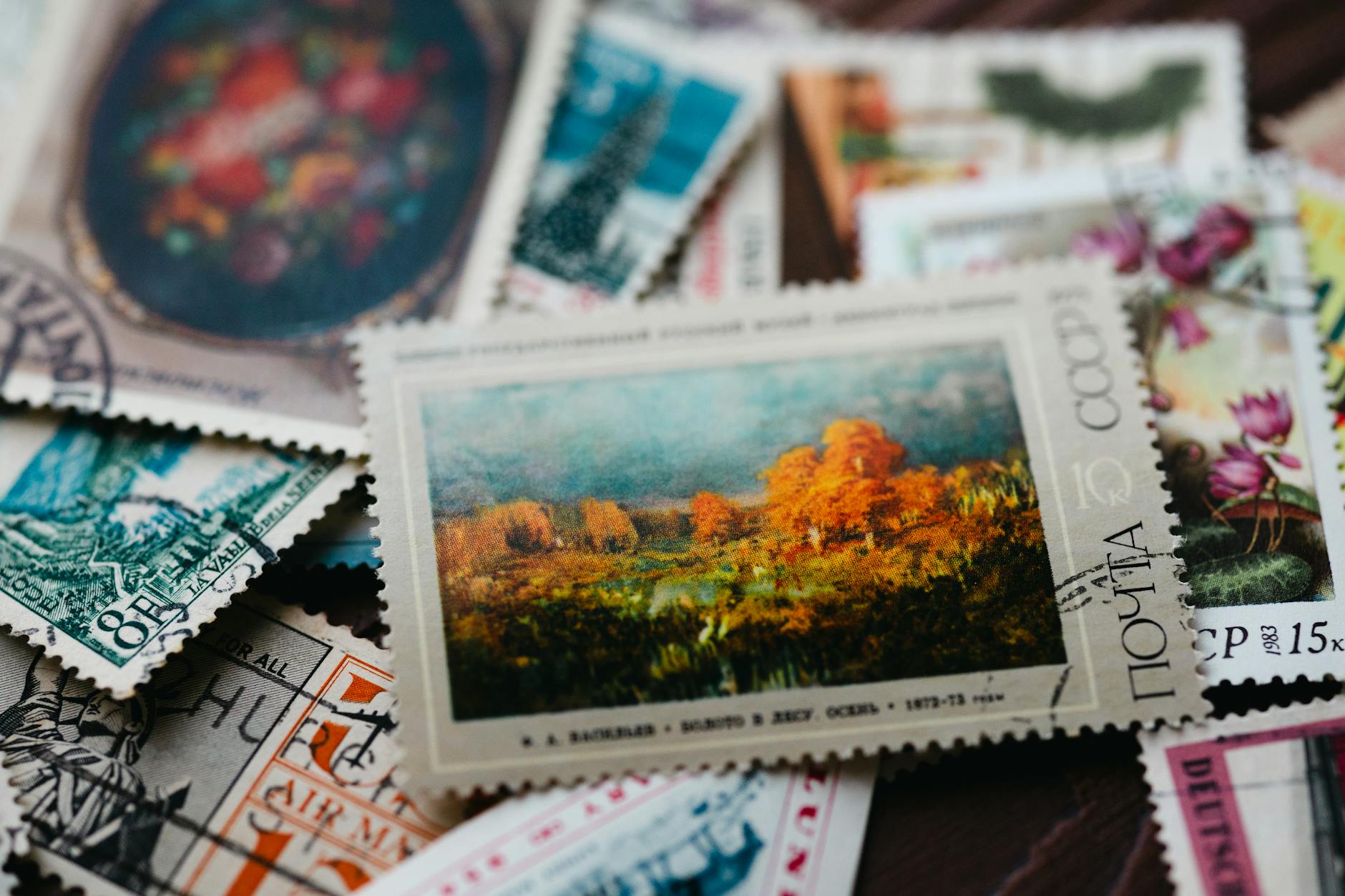
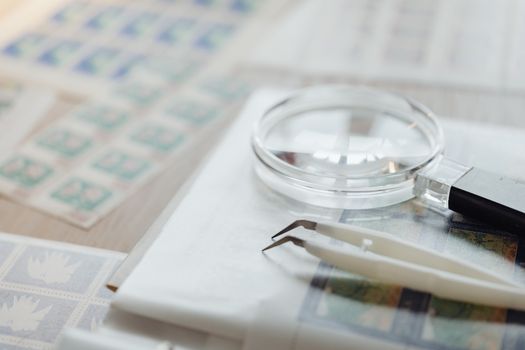 Photo: https://kaboompics.com/ / Pexels
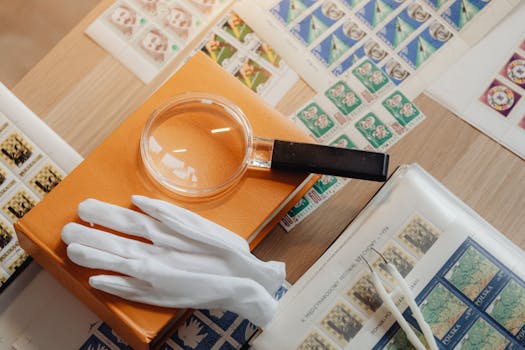 Photo: https://kaboompics.com/ / Pexels
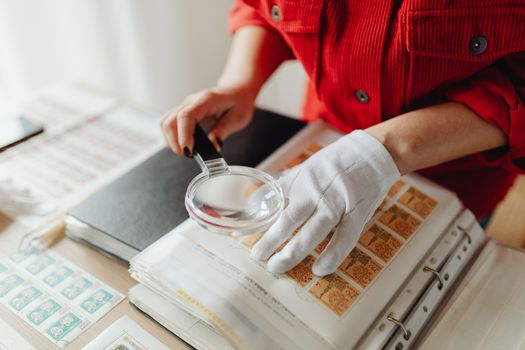 Photo: https://kaboompics.com/ / Pexels
 Photo: Abdessalem BENYAHIA / Pexels